Spread Pricing: How Drug Costs Really Work and Why You Pay More
When you pick up a prescription, the price you pay isn’t what the pharmacy paid for it. That gap? That’s spread pricing, the difference between what a pharmacy pays for a drug and what it charges the patient or insurer. Also known as pharmacy markup, it’s a hidden part of how prescription drugs are priced in the U.S. system—and it’s one reason your co-pay might feel unfair, even for a generic. It’s not fraud. It’s business. But that doesn’t mean you have to accept it without understanding it.
Spread pricing shows up most clearly with generic medications, low-cost versions of brand-name drugs that are chemically identical but often sold at wildly different prices. A pharmacy might buy 30 pills of lisinopril for $2 from a wholesaler, but charge your insurance $15. The $13 difference? That’s the spread. Your insurer pays the $15, you pay your $10 co-pay, and the pharmacy keeps the rest. Sometimes, you pay more out-of-pocket than the pharmacy paid for the whole bottle. That’s not a mistake—it’s how some pharmacy benefit managers (PBMs) and independent pharmacies structure deals. And it’s why you might see prices on GoodRx that are lower than your insurance co-pay.
This system isn’t just about pharmacies. It’s tied to how prescription discount programs, like GoodRx or SingleCare, negotiate deals with pharmacies. Those coupons often show prices below the pharmacy’s actual cost, forcing them to absorb the loss or push you toward higher-margin drugs. Meanwhile, drug pricing, the broader system that determines what drugs cost from manufacturer to pharmacy, gets tangled up in rebates, contracts, and secret pricing deals. The result? You’re paying more, even when you think you’re getting a deal.
It’s not all bad. Spread pricing helps some small pharmacies stay open, especially in rural areas where insurance reimbursements are low. But when it’s hidden, it’s not fair. You deserve to know why your $4 co-pay for metformin still leaves you feeling like you got ripped off. The posts below break down real cases—from how generic drug pricing tricks you into paying more, to how pharmacy contracts hide the truth, to what you can do when your insurance pays less than you do. You won’t find fluff here. Just facts, examples, and real ways to protect yourself from the hidden costs of your meds.
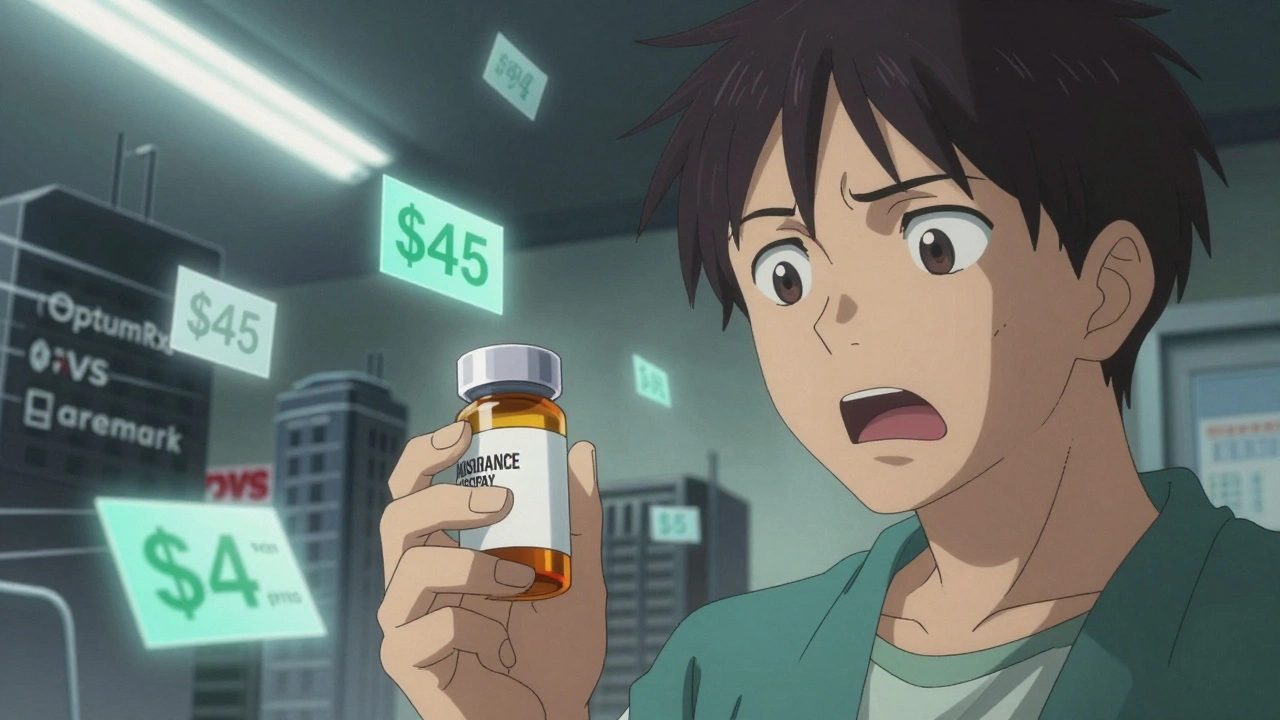
How Insurer-Pharmacy Negotiations Set Generic Drug Prices
Generic drugs are cheap to make, but insurance copays often cost more than cash prices. This is due to secret negotiations between insurers, pharmacies, and middlemen called PBMs. Here’s how the system really works - and what you can do about it.