Pregnancy-Safe Antibiotics: What Works and What to Avoid
When you’re pregnant and get an infection, the last thing you want is to choose between treating your symptoms and protecting your baby. That’s where pregnancy-safe antibiotics, antibiotics proven through clinical use and research to pose minimal risk during pregnancy. Also known as Category B drugs, these medications are the go-to when an infection can’t be left untreated. The truth is, not all antibiotics are created equal when you’re expecting. Some cross the placenta easily, others don’t. Some have decades of safe use, others carry unknown risks. Your doctor doesn’t guess—they rely on data, not guesswork.
The most trusted amoxicillin, a penicillin-class antibiotic commonly prescribed for urinary, respiratory, and skin infections during pregnancy has been used safely by millions of pregnant women since the 1970s. It doesn’t build up in fetal tissue, and large studies show no increase in birth defects. cephalosporins, a broader class of antibiotics including cephalexin and cefdinir, often used when penicillin isn’t an option are equally well-studied and considered low-risk. Both are first-line choices for common infections like UTIs, strep throat, and sinusitis.
But here’s what you need to watch out for: tetracyclines, including doxycycline and minocycline, which can permanently stain developing baby teeth and affect bone growth, are strictly avoided after the first trimester. fluoroquinolones, like ciprofloxacin and levofloxacin, are linked to joint and tendon issues in animal studies and are not recommended unless there’s no alternative for a life-threatening infection. Even something as common as Bactrim (sulfamethoxazole-trimethoprim) can interfere with folic acid absorption in early pregnancy and is often avoided in the first trimester.
It’s not just about the drug—it’s about timing, dosage, and your specific infection. A urinary tract infection in week 12 needs a different approach than a severe pneumonia in week 30. Your provider will consider the type of bacteria, how far along you are, and whether the infection could harm the baby if left untreated. Many women worry that any antibiotic is risky, but untreated infections like pyelonephritis or untreated Group B Strep can lead to preterm labor, sepsis, or stillbirth—risks far greater than those from safe antibiotics.
What you’ll find in the posts below are real-world comparisons and clear breakdowns of what’s actually safe, what’s questionable, and what to ask your doctor before you take anything. You’ll see how amoxicillin stacks up against alternatives like cephalexin, why some doctors avoid certain meds even if they’re labeled "low risk," and how to spot red flags in prescribing patterns. No fluff. No fear-mongering. Just the facts you need to make smart, confident decisions—because when you’re pregnant, every pill matters.
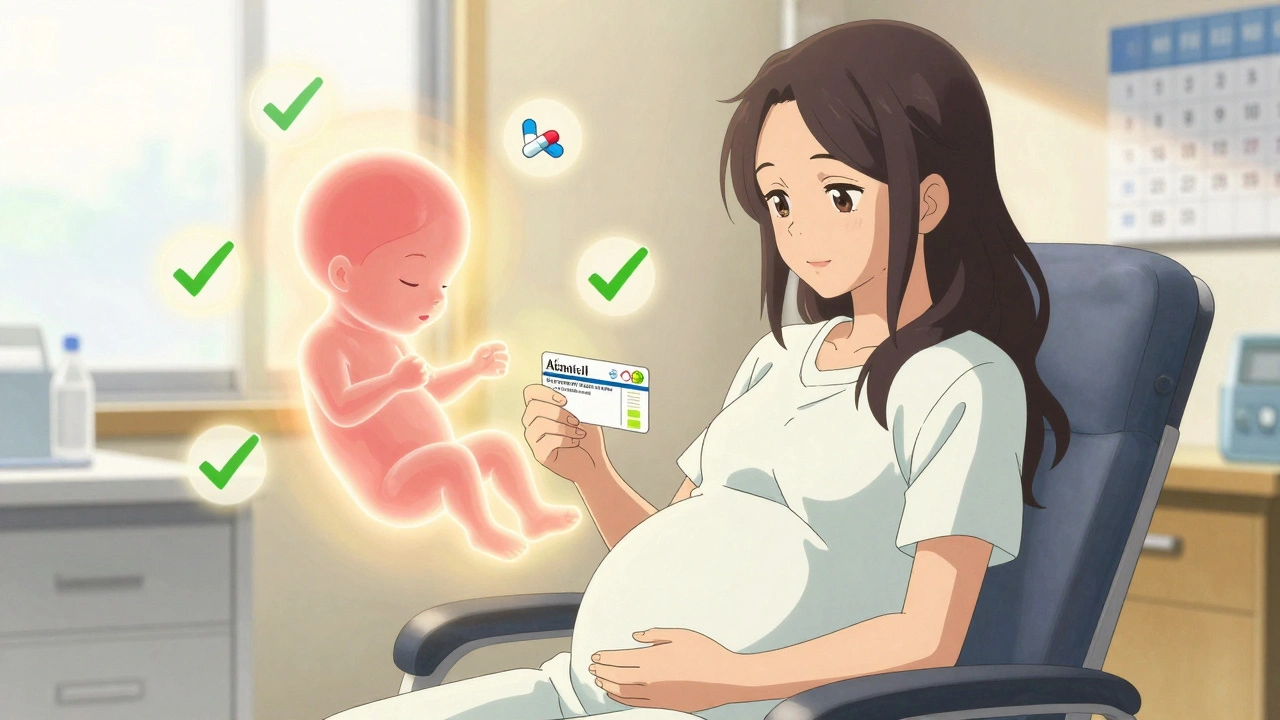
Pregnancy-Safe Antibiotics: Common Side Effects and What You Need to Know
Learn which antibiotics are safe during pregnancy, common side effects like nausea and diarrhea, and how to make informed decisions with your provider. Avoid risky drugs and understand the latest 2025 guidelines.