PBM Negotiations: How Pharmacy Benefit Managers Control Your Drug Costs
When you pick up a prescription, the price you see isn’t set by your doctor or the pharmacy—it’s shaped by PBM negotiations, the behind-the-scenes deals between pharmacy benefit managers, drug makers, and insurers. Also known as pharmacy benefit managers, these companies act as middlemen between insurers, pharmacies, and pharmaceutical companies, and they hold enormous power over what drugs are covered and how much you pay. Most people don’t realize that PBMs don’t just process claims—they negotiate rebates, create formularies, and decide which medications get preferred status. That’s why two people with the same insurance can pay wildly different prices for the same drug.
PBM negotiations directly affect formulary management, the list of drugs an insurer will cover at a lower cost. Drugs on the preferred tier often come with lower copays because the PBM secured a rebate from the manufacturer. But here’s the catch: the rebate doesn’t always go to you. Often, it stays with the PBM or the insurer, while you’re stuck paying the full list price until you hit your deductible. This is why a $500 pill might cost you $200 out-of-pocket, even though the real cost to the insurer was $300 after the rebate. Meanwhile, drug pricing, the complex system of list prices, discounts, and rebates. Also known as pharmaceutical pricing, it’s designed to look transparent but is anything but. The same drug can have five different prices depending on who’s paying: the manufacturer, the PBM, the insurer, the pharmacy, or you.
PBM negotiations also influence which medications get pushed to the top of the list. Sometimes, a newer, more expensive drug gets preferred status not because it’s better, but because the maker offered a bigger rebate. This is why you might be told your doctor’s prescribed medication isn’t covered, and you’re steered toward a generic or a different brand—even if your body responds better to the original. It’s not about what works best for you. It’s about what the PBM got paid to promote.
These deals impact everything from your monthly copay to whether you can even get a medication at all. If a PBM drops a drug from its formulary, your pharmacy might not stock it, and your doctor might not prescribe it unless you jump through hoops. That’s why patients on long-term meds for conditions like thyroid disease, depression, or autoimmune disorders often face sudden switches or denials. And when you try to appeal, you’re dealing with a system built to protect its own margins, not your health.
What you’ll find in the posts below are real-world examples of how PBM negotiations play out—how they affect your access to medications like levothyroxine, antidepressants, and even antibiotics. You’ll see how formulary changes force patients to switch drugs, how rebate structures inflate prices, and why generic meds sometimes cost more than brand names. These aren’t abstract policies. They’re the hidden rules that determine whether you can afford to take your medicine—and whether your treatment even works as intended.
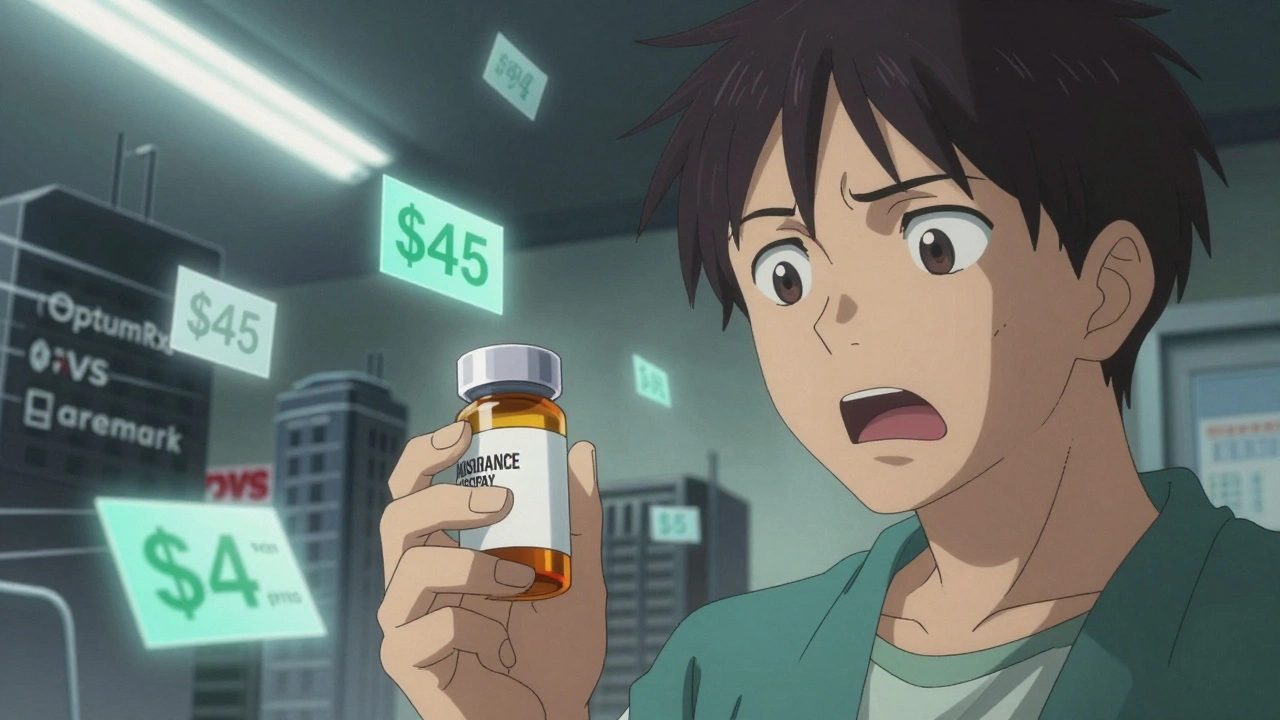
How Insurer-Pharmacy Negotiations Set Generic Drug Prices
Generic drugs are cheap to make, but insurance copays often cost more than cash prices. This is due to secret negotiations between insurers, pharmacies, and middlemen called PBMs. Here’s how the system really works - and what you can do about it.