Dry Eyes: Causes, Treatments, and Medications That Worsen It
When your eyes feel gritty, burning, or like they’re full of sand, you’re dealing with dry eyes, a condition where your eyes don’t produce enough tears or the tears evaporate too quickly. Also known as keratoconjunctivitis sicca, it’s not just an age thing—it’s often triggered or made worse by everyday medications.
Many of the drugs people take without thinking—like anticholinergics, medications that block acetylcholine to reduce spasms, saliva, or sweat—directly reduce tear production. Drugs like oxybutynin for overactive bladder, Benadryl for allergies, and even some antidepressants fall into this category. These aren’t rare side effects; they’re predictable. If you’re on one of these and your eyes feel dry all day, it’s not coincidence. The same drugs that cause dry mouth, a common complaint linked to reduced saliva from nerve-blocking meds also dry out your eyes. And it’s not just oral meds—some nasal sprays and blood pressure pills do it too.
What’s often missed is that dry eyes aren’t always about lack of tears. Sometimes, the oil layer of your tear film breaks down, making tears evaporate fast. That’s where screen time, wind, air conditioning, or even wearing contacts plays a role. But if you’re taking multiple meds and your eyes are constantly irritated, the problem might be pharmacological, not environmental. The good news? You don’t have to live with it. Switching meds, adjusting doses, or adding lubricating drops can help—especially if you know which drugs are the culprits.
Below, you’ll find real posts that break down exactly which medications cause dry eyes, how to spot the signs early, and what alternatives exist without the side effects. You’ll see how anticholinergics link to cognitive risks and dryness, how timing your meds can reduce irritation, and what to ask your doctor before accepting dry eyes as "just part of aging." This isn’t about quick fixes—it’s about understanding the root cause so you can finally get relief.
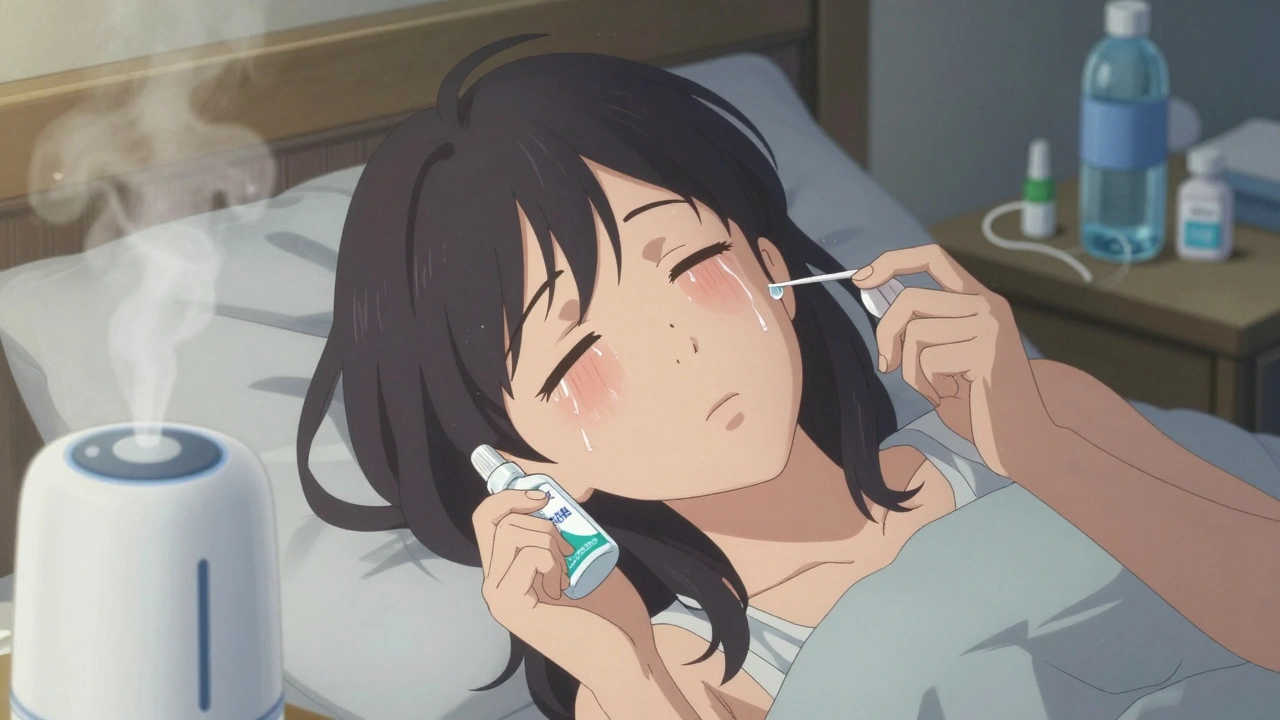
Sjögren’s Syndrome: What It Is, How It Affects Your Body, and How to Manage It
Sjögren’s Syndrome is an autoimmune disease that attacks moisture-producing glands, causing dry eyes, dry mouth, fatigue, and more. Learn how it’s diagnosed, treated, and managed - and why it’s often missed.