Antibiotics During Pregnancy: Safe Choices and What to Avoid
When you're pregnant and get sick, the last thing you want is to choose between treating an infection and protecting your baby. Antibiotics during pregnancy, medications used to treat bacterial infections in expectant mothers. Also known as pregnancy-safe antibiotics, they’re not all created equal—some are well-studied and safe, others carry real risks. The key isn’t avoiding antibiotics altogether, but knowing which ones your doctor can confidently prescribe.
Not every infection needs an antibiotic, but when you have a urinary tract infection, strep throat, or pneumonia while pregnant, leaving it untreated can be far more dangerous than taking the right drug. Penicillins, like amoxicillin and ampicillin are among the most trusted. They’ve been used for decades in pregnant women with no clear link to birth defects. Same goes for cephalosporins, including cephalexin—commonly used for skin or respiratory infections. Even clindamycin, often prescribed for vaginal or dental infections, has a solid safety record. But then there are the ones you should avoid: tetracyclines, like doxycycline, can permanently stain your baby’s teeth and affect bone growth. fluoroquinolones, including ciprofloxacin, may harm developing joints and cartilage. And while some older studies raised red flags about sulfonamides near delivery, newer data suggests they’re mostly safe earlier in pregnancy—if used carefully.
What you take depends on your stage of pregnancy, the infection type, and your medical history. A UTI in week 12? Penicillin might be your best bet. A sinus infection in week 30? Cephalexin could be the go-to. But never self-prescribe. Even if a drug is generally safe, your body changes during pregnancy—how your liver processes meds, how your kidneys clear them—all of that affects dosing and risk. That’s why your doctor will weigh benefits against potential harm, often using data from large studies like those from the Centers for Disease Control and the MotherToBaby registry. You’re not alone in this. Millions of pregnant women have taken antibiotics safely. The goal isn’t fear—it’s informed choice. Below, you’ll find real-world insights from doctors and patients on which antibiotics worked, which caused concern, and how to ask the right questions so you get the treatment you need without unnecessary risk.
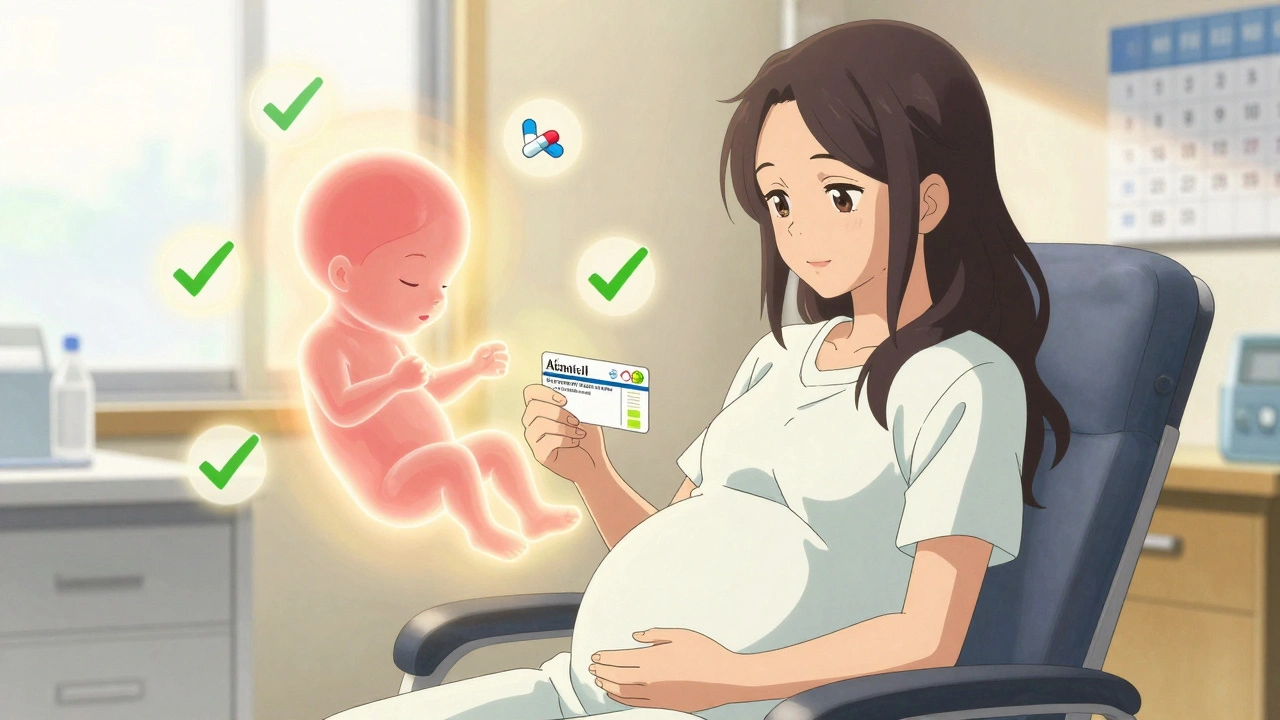
Pregnancy-Safe Antibiotics: Common Side Effects and What You Need to Know
Learn which antibiotics are safe during pregnancy, common side effects like nausea and diarrhea, and how to make informed decisions with your provider. Avoid risky drugs and understand the latest 2025 guidelines.