
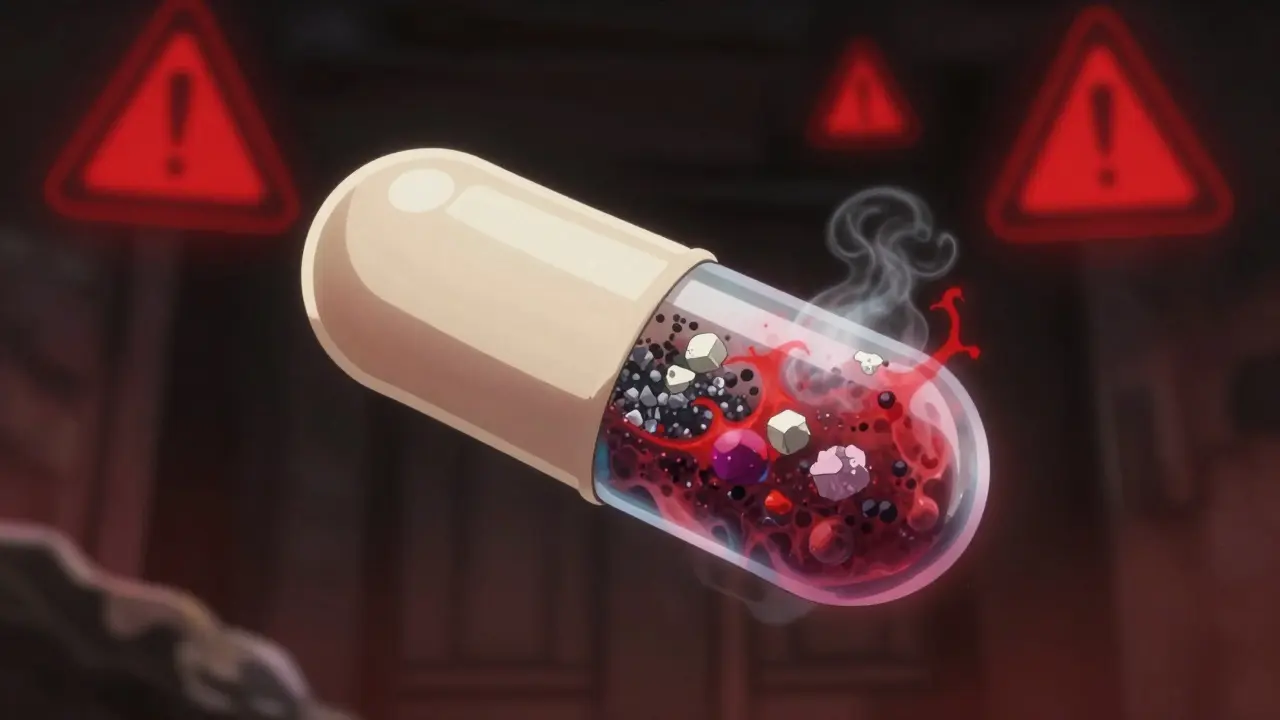
Most people think counterfeit drugs are just ineffective - maybe they don’t work, and you waste your money. But that’s the least of your worries. The real danger isn’t that the pill does nothing. It’s what’s inside it.
What’s Really in Those Fake Pills?
Counterfeit drugs aren’t just missing the right medicine. They’re packed with things no one should ever swallow, inject, or inhale. Heavy metals like lead and mercury. Industrial solvents like ethylene glycol - the same stuff used in antifreeze. Fentanyl, a synthetic opioid 50 times stronger than heroin. Even chalk and talc, ground up and slipped into cancer meds. In 2022, the CDC reported 73,838 overdose deaths in the U.S. where counterfeit pills were involved. Most of those pills didn’t contain oxycodone or hydrocodone like they claimed. They contained fentanyl - sometimes 0.5 milligrams per tablet. That’s enough to kill a person who’s never used opioids before. Some pills had over 3 milligrams - 300 times the lethal dose for an untrained user. And it’s not just opioids. In 2022, 66 children in the Gambia died from acute kidney failure after drinking counterfeit cough syrup. The syrup didn’t have the right medicine. It had diethylene glycol - a chemical used in brake fluid. The same chemical that killed over 100 people in Panama in 2006 and more than 100 in Haiti in 2012. It’s not a mistake. It’s a deliberate choice by criminals who don’t care who dies.How Contaminants Destroy Your Body
These aren’t random accidents. Each contaminant has a specific, brutal way of attacking your body. Heavy metals show up in fake weight-loss pills. One FDA study found lead levels 120 times higher than the safe limit. Lead doesn’t just make you sick - it builds up in your bones and brain. Over time, it causes nerve damage, memory loss, seizures, and kidney failure. Mercury does the same, but worse for your nervous system. Arsenic? It’s a slow poison. It causes skin lesions, liver damage, and cancer. Industrial solvents like ethylene glycol and diethylene glycol don’t just hurt your kidneys - they wreck your metabolism. They turn your blood acidic. Your organs shut down. You don’t just feel unwell. You go into a coma. Then you die. These aren’t trace amounts. In one case, a fake acetaminophen syrup had 22% diethylene glycol. That’s like drinking antifreeze with a little sugar added. Microbial contamination is common in fake injectables. Bacteria like Pseudomonas aeruginosa and Bacillus cereus get into syringes and vials. People inject these and get sepsis - a body-wide infection that kills 30% of the time. In 2019, 17 people in Texas were hospitalized after using fake epinephrine. Their injection sites turned into abscesses. One woman lost her arm. Undeclared drugs are the sneakiest. Fake erectile dysfunction pills often contain sildenafil analogues - not the approved version, but cheaper, untested chemicals. Doses range from 80 to 220 milligrams. The safe dose? 25 to 100. Result? Priapism - a painful, hours-long erection that cuts off blood flow. If not treated fast, it destroys penile tissue. Between 2020 and 2022, over 1,200 men suffered this from fake pills. And then there’s the cancer meds. In 2022, 28% of fake chemotherapy drugs were filled with talc or chalk. When injected, these particles get stuck in lungs, liver, and lymph nodes. They cause granulomas - inflamed lumps that scar your organs. At least 89 people developed this condition from fake cancer drugs.It’s Not Just Poor Countries
You might think this only happens in places with weak regulations. It doesn’t. The WHO says 1 in 10 medicines globally are substandard or falsified. But in high-income countries, the threat is growing fast. The EUROPOL report from 2022 showed a 317% spike in counterfeit drug seizures with dangerous contaminants between 2018 and 2022. In Europe and North America, most of these come from online pharmacies. A 2023 FDA study found that 96.2% of websites selling prescription drugs are illegal. You think you’re buying from a pharmacy? You’re probably buying from a server in China, India, or Russia. The packaging looks real. The website looks professional. The price is too good to be true - because it is. Even in Australia, counterfeit Ozempic vials were found in 2023. They didn’t contain semaglutide. They had insulin glargine - a completely different drug. Over 140 people in Europe had severe low blood sugar after injecting them. One man went into a diabetic coma.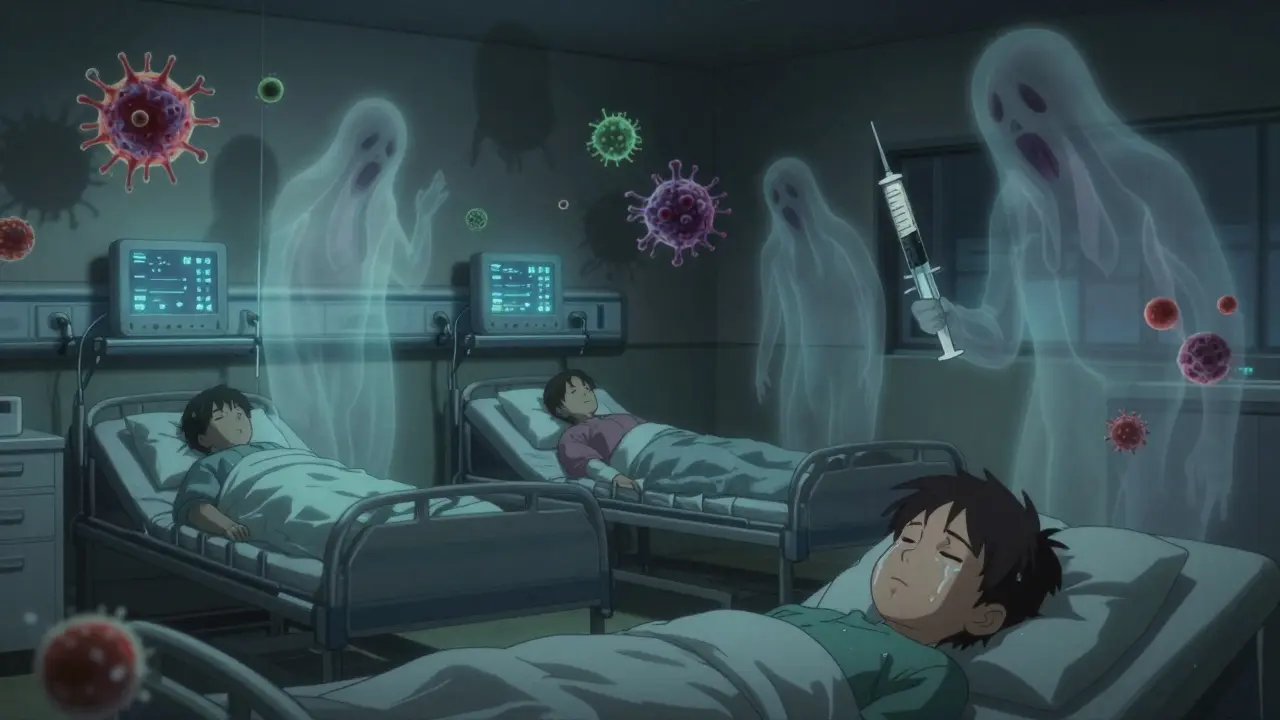
How to Protect Yourself
You can’t always tell a fake pill by looking at it. But you can avoid the most common traps.- Never buy prescription drugs online unless the site is VIPPS-certified. Only 6,312 out of 38,118 online pharmacies meet U.S. safety standards. Look for the VIPPS seal. If you don’t see it, walk away.
- Check your pharmacy. If your local pharmacist questions the packaging, color, or smell of a pill, listen. Pharmacists are trained to spot fakes. They use visual checks and handheld Raman spectrometers - devices that scan the chemical makeup of a pill. They’re accurate 94% of the time.
- Don’t trust prices that seem too low. If Ozempic is $20 a vial on a shady site, it’s fake. The real cost is over $1,000. If a generic Viagra costs $1 per pill, it’s loaded with fentanyl or heavy metals.
- Report suspicious drugs. Use the FDA’s MedWatch system. Even one report helps track dangerous batches. Between 2020 and 2023, over 2,800 adverse events from fake drugs were logged - visual disturbances, heart rhythm problems, kidney failure. Each one matters.
The Bigger Picture: Why This Keeps Getting Worse
The counterfeit drug market is now worth $200 billion - up from $75 billion in 2010. Why? Because it’s easy, profitable, and rarely punished. Fentanyl costs pennies to make. A kilogram can produce over a million pills. A single shipment can net a criminal $10 million. Arrests are rare. Prosecutions are rarer. Meanwhile, the demand is rising. People are desperate for cheap insulin, weight-loss drugs, and erectile dysfunction meds. They’re scared of medical bills. They’re tired of waiting. Criminals exploit that fear. The CDC predicts 105,000 fentanyl-related deaths in 2024. Over two-thirds of those will come from counterfeit pills. That’s not a future threat. That’s happening right now.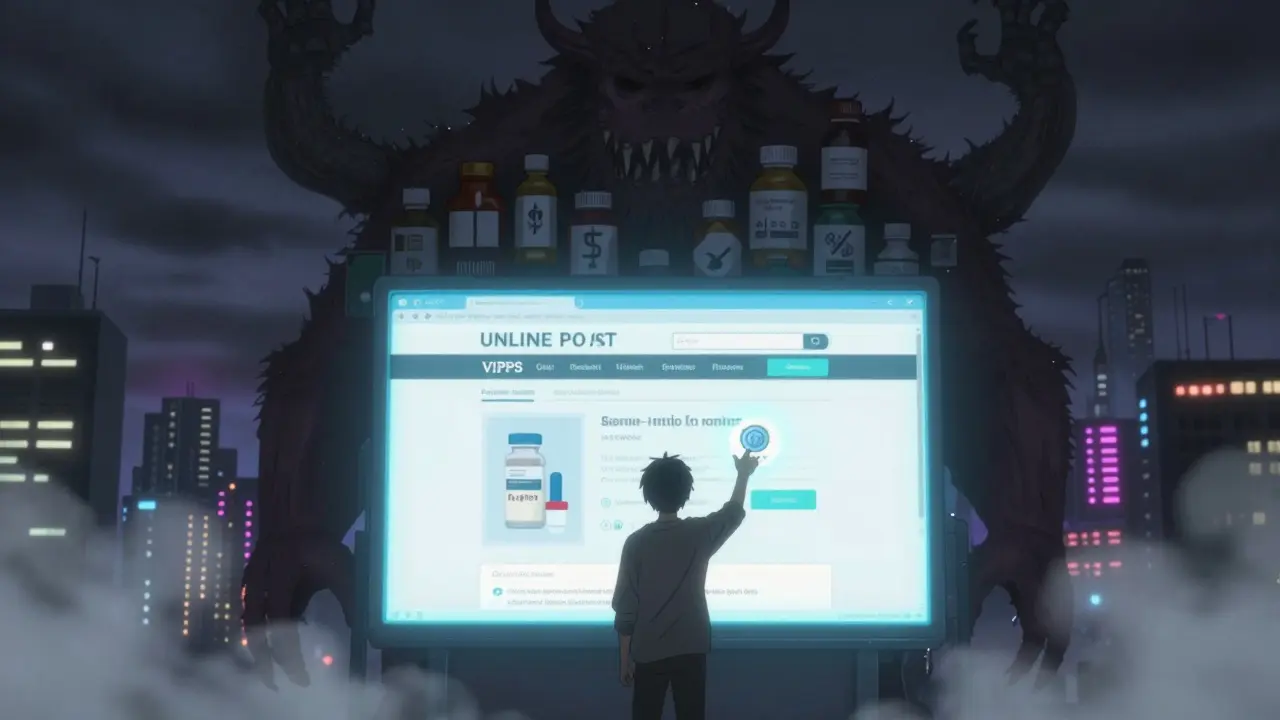
What’s Being Done - and What’s Not
There are glimmers of hope. The FDA just approved a new device called the Counterfeit Drug Sensor (CDS-1). It scans a pill with light and detects chemical contaminants in seconds. It’s 97.3% accurate. But it’s expensive. Only hospitals and big pharmacies have them. Blockchain tech is helping too. Pilot programs in 12 countries cut counterfeit infiltration by 73% by tracking every pill from factory to pharmacy. But it’s not global. Most countries still rely on paper records and manual checks. Experts like Dr. Amir Attaran warn that without global regulation - real, enforceable, international rules - the death toll will rise. He predicts a 40% increase in contaminant-related deaths by 2027. We can’t rely on governments alone. We can’t wait for technology to fix this. The safest thing you can do is never buy medicine from a source you can’t trust.Final Warning
If you’re considering buying pills online because they’re cheaper - stop. You’re not saving money. You’re risking your life. A fake pill doesn’t just fail to treat your condition. It might kill you. Or blind you. Or destroy your kidneys. Or give you permanent nerve damage. Or leave your child dead in a hospital bed. There’s no safe counterfeit drug. There’s only a difference between the one that makes you sick - and the one that kills you.Can counterfeit drugs be detected by appearance alone?
Sometimes, but not reliably. Packaging can be copied perfectly. Pills may look identical to the real thing. However, trained pharmacists can spot 83.7% of counterfeits through subtle signs: misspelled labels, mismatched colors, odd smells, or inconsistent tablet texture. Still, chemical contaminants like fentanyl or heavy metals can’t be seen - only tested. Never rely on looks alone.
Are online pharmacies ever safe to use?
Only if they’re VIPPS-certified - a U.S. accreditation that verifies legal operation, licensed pharmacists, and secure handling. Only about 6,300 of the 38,000+ online pharmacies selling prescription drugs meet this standard. Look for the VIPPS seal on the website. If you’re unsure, call your local pharmacy and ask if they can verify the site. Never buy from sites that don’t require a prescription or ship from overseas.
What should I do if I think I took a counterfeit drug?
Stop taking it immediately. Save the packaging and any remaining pills. Contact your doctor or go to the emergency room - especially if you feel sudden dizziness, nausea, chest pain, or difficulty breathing. Report the incident to your country’s drug safety agency (like the FDA’s MedWatch in the U.S.). Even if you feel fine, contaminants like heavy metals or fentanyl can have delayed effects. Don’t wait for symptoms to appear.
Why are fentanyl-laced pills so dangerous?
Fentanyl is 50 to 100 times more potent than morphine. A dose as small as 2 milligrams can be lethal. Counterfeit pills often contain 0.5 to 3.2 milligrams - meaning a single pill could hold 50 to 320 lethal doses. Users think they’re taking oxycodone or Xanax. They’re not. They’re taking a drug designed for hospital use in extreme pain cases. Even experienced opioid users can overdose on these pills because the dose varies wildly from tablet to tablet.
Are generic drugs the same as counterfeit drugs?
No. Generic drugs are legally approved copies of brand-name medications, made by regulated manufacturers and tested for safety and effectiveness. Counterfeit drugs are illegal forgeries - often made in unlicensed labs with unknown ingredients. A generic metformin pill from a licensed pharmacy is safe. A metformin pill bought off Instagram with no manufacturer listed? It could contain rat poison or fentanyl.
Can I test my own pills at home?
There are no reliable home tests for fentanyl or heavy metals. Drug testing strips sold online can detect fentanyl in some cases, but they’re not foolproof - they might miss other toxins like lead or ethylene glycol. The only accurate way to test a pill is with lab equipment like Raman spectroscopy, which is only available in pharmacies or hospitals. If you’re worried, take the pill to a pharmacist. They can advise you or send it for testing.
Is this problem getting worse?
Yes. The counterfeit drug market has grown from $75 billion in 2010 to $200 billion today. Seizures of fake pills containing fentanyl increased 214% between 2021 and 2023. Online sales have exploded, and criminals are now using AI to create fake websites that look like real pharmacies. The CDC projects over 105,000 fentanyl-related deaths in 2024, mostly from counterfeit pills. Without stronger global regulation and public awareness, this will keep getting worse.
What’s the safest way to get prescription meds?
Always get prescriptions from a licensed doctor and fill them at a licensed pharmacy - preferably one you know and trust. If cost is an issue, ask your doctor about patient assistance programs, generic alternatives, or international drug programs approved by your country’s health authority. Never substitute safety for savings. Your life isn’t worth the risk.
This is terrifying. 😱 I just bought some generic Adderall online last month. I’m never doing that again.
The systemic failure here is not just criminal negligence-it’s a moral collapse. We have allowed the commodification of human health to the point where a child’s cough syrup can be laced with brake fluid and the perpetrators walk free. This isn’t about regulation gaps; it’s about the erosion of empathy as a societal value. We’ve normalized profit over life, and now we’re reaping the rot.
Pharmacists with Raman spectrometers are our last line of defense, yet they’re overworked and underfunded. The FDA’s CDS-1 device? A brilliant innovation-buried under bureaucracy and price tags that keep it out of community pharmacies. If we truly valued lives over margins, this technology would be in every pharmacy, every clinic, every school nurse’s office.
And yet, we still ask, ‘How do I know if it’s real?’ when the real question is: ‘Why are we letting this happen at all?’
Let’s be brutally honest: this isn’t just about counterfeit drugs. It’s about the death of trust in institutions. People turn to shady online pharmacies because they’re priced out of healthcare. The system failed them first. Criminals didn’t create the vacuum-they exploited it.
And yet, we keep blaming the victims. ‘Don’t buy online!’ is easy to say until your insulin costs $1,200 and your paycheck disappears before the 15th. The real villain isn’t the desperate person clicking ‘buy now’-it’s the pharmaceutical monopolies, the insurance cartels, and the politicians who let them get away with it.
Technology like blockchain and spectral scanning? Noble. But without price controls, universal access, and criminal accountability for manufacturers, we’re just polishing the coffin.
Fix the system. Not just the pills.
While I appreciate the general alarmism, I must point out that the CDC’s 73,838 figure is misleadingly conflated-many of those deaths involve polysubstance use, and the presence of fentanyl does not equate to sole causation. Furthermore, the WHO’s ‘1 in 10’ statistic is a global aggregate, heavily skewed by low- and middle-income nations with rudimentary supply chains. To suggest this is a rampant epidemic in the U.S. is hyperbolic, bordering on alarmist propaganda.
Moreover, the notion that one must shun all online pharmacies is intellectually lazy. There are legitimate, licensed international pharmacies that offer FDA-approved generics at a fraction of the cost. The VIPPS seal is not the sole arbiter of legitimacy-it is merely one of many regulatory frameworks. One must exercise discernment, not fear.
Finally, the comparison to antifreeze is emotionally manipulative. Diethylene glycol contamination is exceedingly rare in Western markets. To imply that every unverified pill is a death sentence is not only inaccurate-it is counterproductive, fostering distrust in legitimate pharmaceutical innovation.
So let me get this straight-we’re supposed to trust big pharma and the FDA but not some guy on Instagram selling pills for $5? Lmao. You think the FDA hasn’t been corrupted? You think they don’t take donations from the same companies that charge $1,000 for insulin? And now you want me to believe the ‘VIPPS seal’ means anything? I’ve seen fake seals on legit sites.
Also, who died and made you the pharmacist? I’m not paying $800 for a prescription when I can get the same damn thing for $20 and take my chances. If I OD, it’s my fault. Not yours. Not the government’s. Mine. Stop treating adults like children.
And don’t even get me started on the ‘fake Ozempic’ panic. People are getting fat and desperate. They’re not dumb. They know what they’re doing. Let ‘em.
Thank you for laying this out with such clarity and urgency. The emotional weight of this issue is often lost in statistics, but you’ve made it human.
I work in a community pharmacy, and we’ve seen the rise in customers asking about pills they bought online-sometimes with tears in their eyes, afraid to admit they took them. We’ve had to turn away people who couldn’t afford their meds, and it breaks my heart. We can’t fix the system alone, but we can be the safe harbor for those who walk through our doors.
If you’re reading this and feeling trapped-please, come talk to us. We’ll help you find options. There are programs. There are pathways. You don’t have to risk your life to survive.
As someone from India, I’ve seen firsthand how counterfeit medicines spread through rural markets-often sold by local vendors who themselves believe they’re helping. The tragedy isn’t just the toxins; it’s the cultural normalization of ‘good enough’ medicine. People don’t know the difference between generic and fake. They trust the color, the shape, the name. They don’t have access to spectrometers or pharmacists.
But here’s what’s not talked about: the global supply chain is rigged. Western companies outsource production to the cheapest labs, then outsource blame when things go wrong. The same factory that makes your ‘brand-name’ drug also makes the counterfeit version-just without the label.
Blockchain is promising, yes. But without local education, without community health workers trained to spot fakes, without affordable access to real medicine-it’s just digital glitter on a crumbling foundation.
We need global solidarity, not just global tech. We need to treat medicine like a human right, not a commodity. And we need to stop pretending that the problem is ‘over there.’ It’s everywhere. Even in your pharmacy. Even in your pill bottle.
This is one of the most sobering pieces I’ve read in years. Thank you for not sugarcoating it.
I’ve worked in public health for 18 years, and I’ve watched this crisis creep from the margins into the mainstream. What frightens me most isn’t the fentanyl-it’s the quiet surrender. People have stopped believing that safe, affordable medicine is a right. They’ve accepted that if they can’t pay, they should gamble with their lives.
But we can change that. Not with fear. Not with outrage. With compassion. With policy. With funding for community pharmacies. With pressure on lawmakers to cap drug prices. With education that doesn’t shame, but empowers.
We are not powerless. We just need to act-not just as individuals, but as a society that still believes in dignity.
One pill at a time.
Just got back from the ER. Took a ‘Viagra’ from a site that looked legit. Ended up with a 14-hour priapism. Lost two days of work. Still in pain. They said I got lucky-could’ve lost the whole thing.
Don’t be like me.