

Ever opened your medicine cabinet and found a drawer full of expired pills, leftover painkillers, or old antibiotics you never finished? You’re not alone. But here’s the thing: tossing those meds in the trash or flushing them down the toilet isn’t just sloppy-it’s dangerous. Every year, millions of unused prescriptions end up in landfills, waterways, or worse, in the hands of kids or teens who shouldn’t have them. The good news? Proper storage and disposal are simple, and they make a real difference.
Where to Store Your Medications
Your medicine cabinet might seem like the obvious spot, but it’s often the worst place. Bathroom humidity, bathroom heat, and bathroom light can break down pills before their expiration date. A study from the FDA found that medications stored in humid environments lose up to 30% of their potency within a year. So where should they go?
Keep all prescriptions in a cool, dry place-like a bedroom drawer or a high shelf in a closet. Avoid areas near sinks, stoves, or windows. The ideal temperature range is between 68°F and 77°F (20°C to 25°C). Some medications, like insulin or certain biologics, need refrigeration. Always check the label. If it says "refrigerate," keep it between 36°F and 46°F (2°C to 8°C). Never freeze unless the instructions say so.
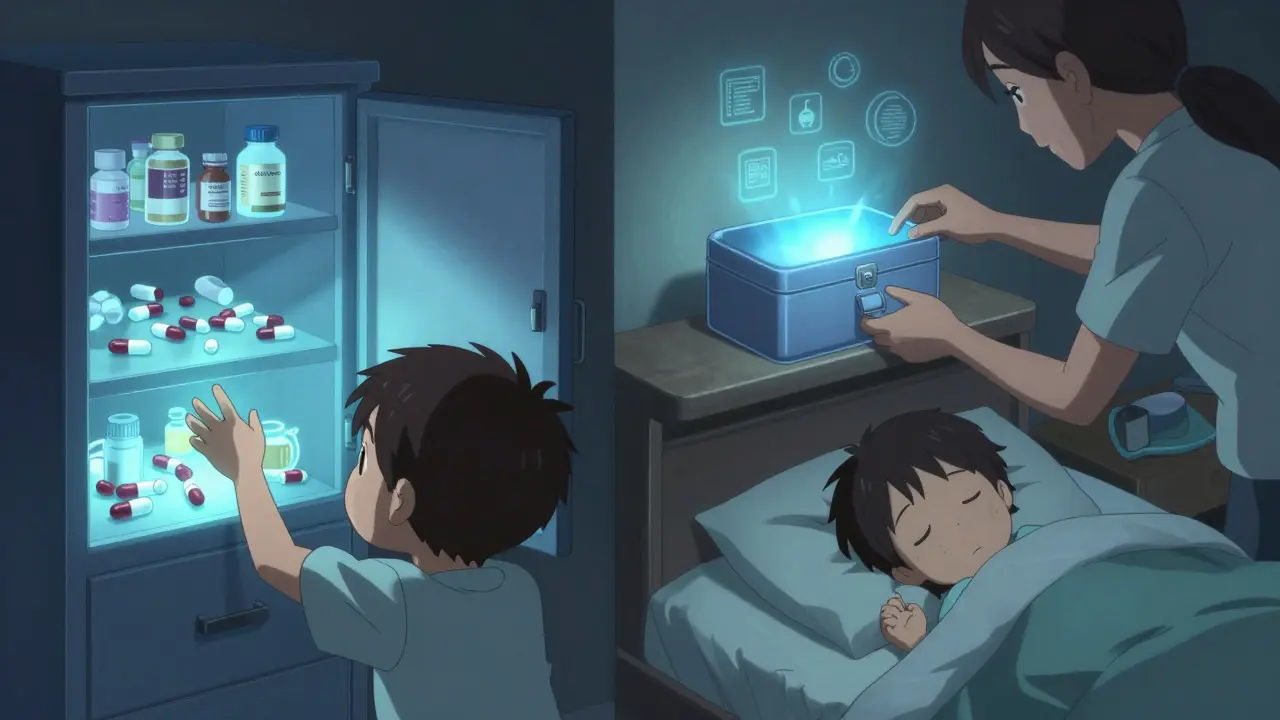
For controlled substances-think opioids like oxycodone, benzodiazepines like Xanax, or stimulants like Adderall-locking them up isn’t optional. Use a lockbox or a locked cabinet. The DEA estimates that nearly 60% of prescription drug misuse starts with pills taken from a family member’s medicine cabinet. A simple lockbox costs less than $20 and can stop a tragedy before it starts.
Keep all medications out of reach of children and pets. Even one pill can be deadly for a toddler or a small dog. Use child-resistant caps, but don’t rely on them alone. Kids are curious. A locked box is the only real safety net.
When Medications Expire-Don’t Just Keep Them
Expiration dates aren’t arbitrary. They’re based on real testing by manufacturers to ensure the drug remains safe and effective. After that date, the chemical structure can break down. Some medications become less effective. Others can turn toxic. In 2023, the FDA updated its guidance to say that most pills are still safe for up to a year past the expiration date-but that doesn’t mean you should take them. If you’re unsure, toss it.
Don’t assume "I might need this someday" is a good reason to hold onto meds. Unused prescriptions pile up. A 2022 survey found the average household had 12 unused prescription bottles. That’s 12 potential accidents waiting to happen.
How to Dispose of Medications Properly
The safest way to get rid of unused or expired medications? Use a take-back program. These are organized by pharmacies, hospitals, or local law enforcement. In Australia, pharmacies like Chemist Warehouse and TerryWhite Chemmart offer free take-back bins. In the U.S., the DEA runs National Prescription Drug Take Back Days twice a year, with over 11,000 collection sites nationwide. You can also find permanent drop boxes at police stations or pharmacies.
Here’s the catch: only "ultimate users"-the person the prescription was written for-can use these programs. That means you can drop off your own meds, but not your parent’s or your child’s. And you can’t drop off controlled substances at just any location. Some pharmacies require you to hand them directly to a pharmacist. Always call ahead.
What if there’s no take-back option nearby? The FDA has clear instructions for home disposal:
- Remove pills from their original bottles.
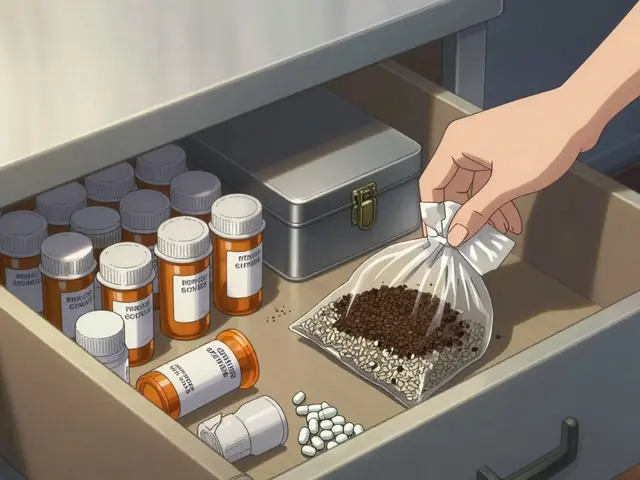
- Don’t crush them. Just pour them into a sealable plastic bag or container.
- Add something unappetizing-used coffee grounds, cat litter, or dirt. This makes them unappealing to kids or pets, and harder to fish out of the trash.
- Seal the container tightly.
- Scratch out your name and prescription number on the empty bottle before recycling it.
- Put the sealed container in your regular household trash.
This method reduces pharmaceutical contamination in water supplies by 99.8% compared to flushing, according to EPA modeling. It’s not glamorous, but it works.
The Flush List-When Flushing Is Actually Okay
Wait-didn’t we just say not to flush? Yes. But there’s an exception.
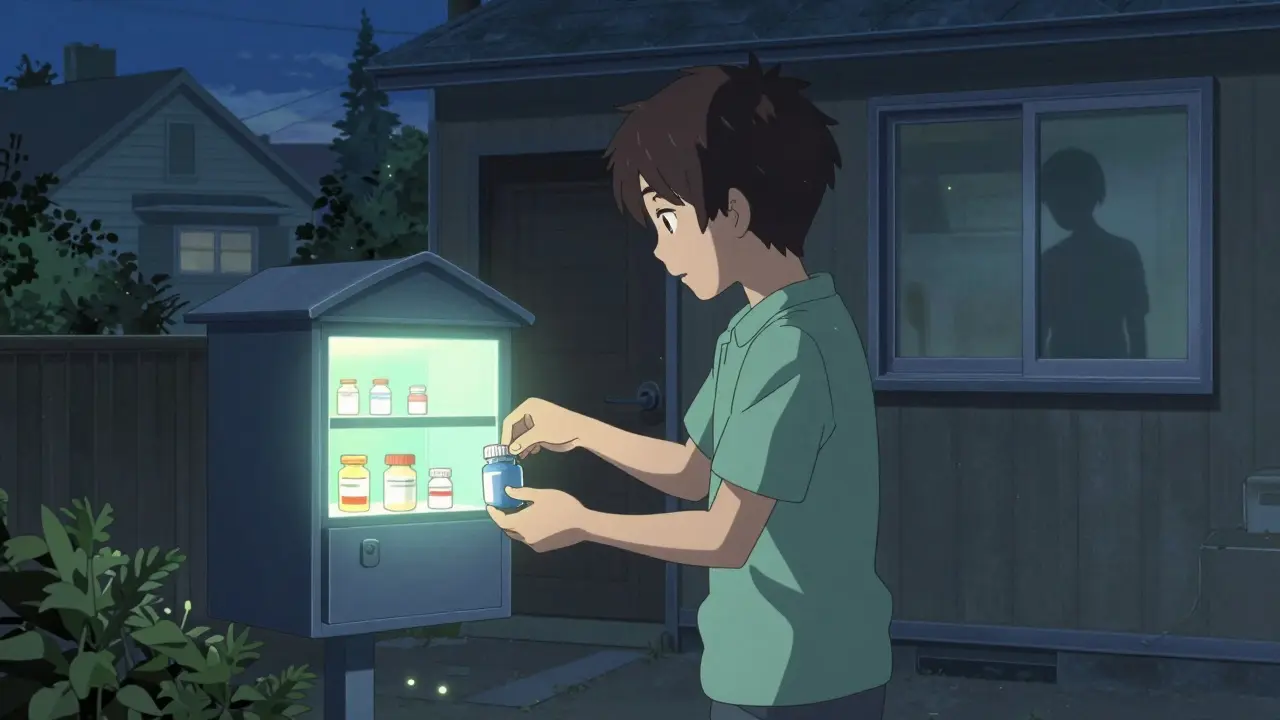
The FDA maintains a short list of medications that are dangerous enough to justify flushing if no take-back option is available. These are mostly powerful opioids and one benzodiazepine that can cause fatal overdoses even in tiny amounts. As of 2023, the list includes:
- Fentanyl patches
- Oxycodone (OxyContin, Percocet)
- Hydrocodone (Vicodin)
- Hydromorphone (Dilaudid)
- Morphine
- Tapentadol (Nucynta)
- Meperidine (Demerol)
- Methadone
- Buprenorphine (Suboxone)
- Alprazolam (Xanax)
- And six others-check the FDA’s full list at fda.gov/drug-disposal
If you have one of these, and you can’t get to a take-back site within 24 hours, flush it. It’s not ideal, but it’s safer than leaving it in the house.
What Healthcare Facilities Do Differently
Hospitals, clinics, and pharmacies don’t use the coffee grounds method. They follow strict federal rules under the EPA’s Subpart P regulation (2019), which bans flushing hazardous pharmaceutical waste down drains. About 5-10% of all pharmaceutical waste is classified as hazardous-mostly chemotherapy drugs, certain antibiotics, and some controlled substances.
These facilities must:
- Separate hazardous waste from regular trash
- Use labeled, leak-proof, puncture-resistant containers
- Contract with licensed waste transporters
- Keep destruction records for at least three years
- Never mix controlled substances with regular chemical waste
It’s expensive. A 2022 survey by the American Hospital Association found the average hospital spends $12,500 more per year on pharmaceutical waste management since Subpart P took effect. But it’s necessary. Improper disposal by facilities contributes to 247 million pounds of pharmaceuticals entering U.S. waterways every year.
Common Mistakes and How to Avoid Them
Here’s what people get wrong:
- "I’ll just keep them for next time." - Unless it’s a life-saving medication like an EpiPen, don’t. Storage conditions change. Potency drops. Risks rise.
- "I’ll flush it-it’s just one pill." - One pill adds up. Millions of people do this. The result? Pharmaceuticals in drinking water. The EPA says we’re still decades away from knowing the full health impact.
- "My pharmacy takes back anything." - Most don’t. Only authorized take-back sites accept controlled substances. Always confirm first.
- "I threw the bottle in recycling." - Scratch out your info first. Identity theft via prescription labels is real.
What’s Changing? The Future of Medication Disposal
Regulations are tightening. The EPA is considering setting water quality standards for pharmaceuticals by 2025. Some states are testing "producer responsibility" models-where drugmakers pay for disposal programs. Smart disposal kiosks are being piloted in 127 hospitals. These machines scan your pills, identify them, and route them to the right disposal stream-no guesswork needed.
By 2025, 89% of healthcare executives say they’ll integrate medication disposal into broader sustainability plans. That means more take-back bins, clearer labeling, and better education.
For you? The message is simple: Don’t wait for someone else to fix this. Start today. Check your medicine cabinet. Clear out the expired stuff. Use a take-back program. Lock up what’s left. It’s not just about safety-it’s about responsibility.
Can I throw old pills in the compost?
No. Never put medications in compost, gardens, or yard waste. Pharmaceuticals don’t break down naturally in soil. They can leach into groundwater or be absorbed by plants. Even organic waste bins aren’t safe for drugs. Stick to take-back programs or the FDA’s home disposal method: mix with coffee grounds or cat litter, seal in a container, and throw in the trash.
What if I live in a rural area with no take-back site?
You still have options. Mail-back programs are available in many states and Australia. Some pharmacies offer prepaid envelopes you can drop off at a post office. If those aren’t available, follow the FDA’s home disposal steps: remove pills from bottles, mix with coffee grounds or cat litter, seal in a plastic container, scratch off your info, and put it in the trash. It’s not perfect, but it’s the safest option left.
Is it safe to flush any medication if I don’t have access to a take-back program?
Only if it’s on the FDA’s flush list. That includes powerful opioids like fentanyl patches, oxycodone, and methadone, and one benzodiazepine: alprazolam (Xanax). For all other medications, flushing is harmful and unnecessary. Use the coffee grounds method instead. Even in rural areas, the risk of contamination from flushing far outweighs the inconvenience of trash disposal.
Why can’t I just give my leftover pills to a friend who needs them?
It’s illegal and dangerous. Prescription drugs are tailored to one person’s body, weight, allergies, and medical history. What helps you might kill someone else. Even if the pill looks identical, the dosage, fillers, or release mechanism could be different. Giving away prescriptions is a felony in most places. Always dispose of unused meds properly instead.
Do I need to clean out my medicine cabinet every year?
Yes. Make it part of your spring cleaning. Check expiration dates, remove anything you haven’t used in over a year, and dispose of it properly. Also, look for signs of degradation-discolored pills, strange smells, or powdery residue. If anything looks off, toss it. A clean cabinet isn’t just tidy-it’s a safety habit.
Are there any apps or tools to help me find a take-back location?
Yes. In the U.S., use the DEA’s Drug Take Back Locator. In Australia, check the National Drug Strategy or your local pharmacy’s website. Many pharmacies now list drop-off locations on their apps. You can also call your local pharmacy or police station-they’ll tell you where the nearest bin is. No app needed? Just ask.
What to Do Next
Start today. Open your medicine cabinet. Grab a trash bag. Pull out every bottle you haven’t used in six months. Check expiration dates. Separate controlled substances. Use the FDA’s flush list if needed. For everything else, mix with coffee grounds, seal it, and toss it. Then, lock up what’s left. It takes 10 minutes. It could save a life.
And if you’re a caregiver, parent, or someone managing medications for a loved one? Do this for them too. Medication safety isn’t just personal-it’s protective. For everyone.

13 Comments
Write a comment