
Imagine waking up from a routine procedure only to find out the medical team used a drug you've been allergic to for a decade. It sounds like a nightmare, but medication errors account for about 4.5% of all surgical complications. While your surgical team is highly trained, they can only work with the information you give them. Being clear and specific about your medical history isn't just a formality-it's a critical safety step that can prevent life-threatening anaphylaxis during your operation.
The goal is to move beyond a simple "yes" or "no" when asked if you have allergies. To keep you safe, your anesthesiologist and surgeon need a detailed map of how your body reacts to certain chemicals. By providing a comprehensive history, you help them choose the safest drugs for your anesthesia and pain management, ensuring a smoother recovery.
Key Takeaways for Your Pre-Op Visit
- Be Specific: Don't just name the drug; describe exactly what happened to your body.
- List Everything: Include vitamins, herbal supplements, and over-the-counter meds.
- Timing Matters: Start your documentation at least 72 hours before surgery.
- Verify: Double-check that your allergy is noted in the electronic health record (EHR) upon arrival.
Distinguishing Between a Side Effect and an Allergy
One of the biggest hurdles in preoperative care is a common misunderstanding: the difference between an adverse reaction and a true allergy. Many people say they are "allergic" to a medication when they actually experienced a side effect. For example, if a blood pressure medication made you feel dizzy or nauseous, that is a side effect. If it caused hives, swelling of the throat, or difficulty breathing, that is an drug reaction.
Why does this matter? Because if you tell your doctor you're "allergic" to a certain class of drugs, they may avoid a medication that is actually the best option for your surgery. By describing the symptoms-rather than just using the word "allergy"-you allow the anesthesiologist to decide if the drug is truly dangerous for you or if it's just something that makes you feel unwell.
How to Build Your Pre-Surgical Medication List
Your team needs more than just a list of prescriptions. They need a full picture of every substance entering your system. Some herbal supplements can thin your blood or interfere with anesthesia, making the surgery riskier.
Create a written document that includes the following categories:
- Prescription Drugs: Every medication currently prescribed by a doctor.
- Over-the-Counter (OTC) Meds: Things like ibuprofen, aspirin, or allergy pills.
- "As Needed" Medications: Drugs you only take occasionally, like sleep aids or migraine relief.
- Vitamins and Supplements: Fish oil, St. John's Wort, or high-dose Vitamin E.
- Herbal Remedies: Teas or tinctures that might have medicinal properties.
For high-risk medications, specific timelines are vital. For instance, some NSAIDs (Non-Steroidal Anti-Inflammatory Drugs) usually need to be stopped 7 days before surgery to prevent excessive bleeding. If you take blood thinners like Prasugrel, you might need to stop them a full week prior, while Ticagrelor might only require a 3-to-5 day window. Always ask your surgeon for a specific "stop date" for each medication.
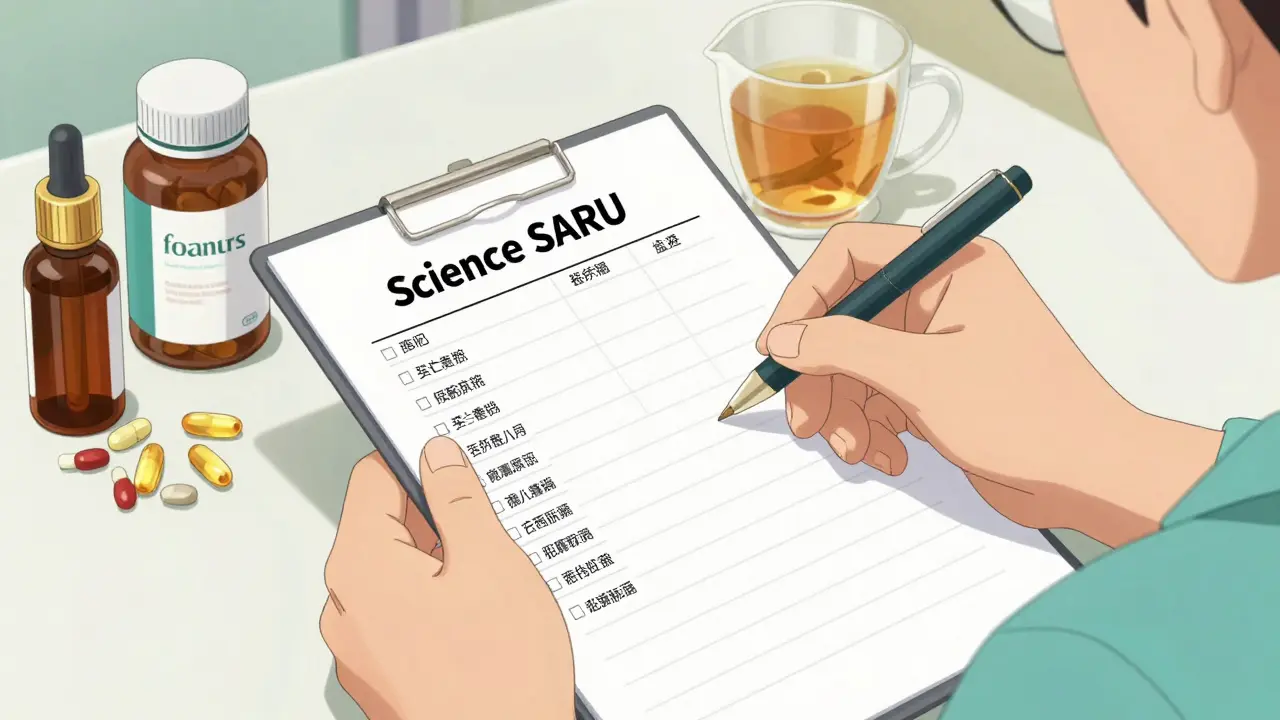
The Anatomy of a Great Allergy Report
When you disclose a past reaction, don't just give the name of the drug. To provide the level of detail required by high-standard protocols (like those used at Stanford or Mayo Clinic), you should provide four specific pieces of information for every reaction:
- The Causative Agent: The exact name of the drug (e.g., "Penicillin G" rather than just "Penicillin").
- The Timing: How long after taking the drug did the reaction start? Was it immediate or did it happen over several days?
- The Symptoms: What exactly happened? Did you get an itchy rash, swell up in the face, or experience a drop in blood pressure?
- The Treatment: Did you need an EpiPen? Were you hospitalized? Did a simple antihistamine clear it up?
| Ineffective Communication | Effective Communication | Why it Helps the Doctor |
|---|---|---|
| "I'm allergic to Penicillin." | "I took Penicillin in 2015 and developed hives and shortness of breath within 10 minutes." | Confirms a Type I hypersensitivity (true allergy) requiring alternative antibiotics. |
| "Codeine makes me sick." | "Codeine causes me to vomit and feel extreme nausea about an hour after dosing." | Identifies a side effect rather than an allergy, allowing for potential use with anti-emetics. |
| "I react to some anesthesia." | "I had a reaction to Rocuronium 10 years ago that caused a rash on my chest." | Allows the anesthesiologist to swap the paralytic agent for a safer alternative. |
When to Seek a Specialist Before Surgery
If you have had a severe, life-threatening reaction (anaphylaxis) in the past, a standard pre-op questionnaire might not be enough. In these cases, it's a good idea to visit an allergist for a formal work-up before scheduling elective surgery.
A specialist can perform skin tests or guided challenges to determine if you are still sensitive to the drug. This is especially important if the drug in question is commonly used in surgery, such as latex or certain narcotics. If you have a known severe allergy, some experts suggest that subsequent anesthesia should only be administered for emergency procedures until a full allergology work-up is complete.

Navigating the Pre-Op Process: A Step-by-Step Checklist
To make sure nothing slips through the cracks, follow this timeline leading up to your procedure date.
7-14 Days Before Surgery
- Gather all medication bottles and supplement containers.
- Write out your full list (including dosages and frequency).
- Contact your primary care doctor to confirm which medications must be paused.
72 Hours Before Surgery
The Day of Surgery
- When the nurse asks about allergies, don't just say "none" or "yes." Hand them your written list.
- Ask the pharmacist or nurse to confirm that your allergies are flagged in the electronic record.
- Briefly mention your most severe reaction to the anesthesiologist during the final pre-op huddle.
Common Pitfalls to Avoid
Many patients feel rushed during the pre-op process, but a few minutes of detailed conversation can save hours of complication in recovery. Avoid these common mistakes:
- Assuming the doctor knows: Even if your allergy is in your general medical record, it may not have transferred to the surgical center's specific system. Always re-verify.
- Omitting "natural" products: Garlic supplements or ginger root can affect blood clotting. Be honest about everything you ingest.
- Hiding substance use: Whether it's recreational drugs or heavy alcohol use, tell your team. This isn't about judgment; it's about how these substances interact with anesthesia. Framing the conversation around "medical safety" often makes it easier to be honest.
What if I can't remember the name of the drug I reacted to?
Don't guess, as this can lead to the wrong drug being avoided. Instead, tell your doctor when the reaction happened, what the medication was treating (e.g., "a throat infection in the 90s"), and what the symptoms were. They can often narrow down the likely culprit based on the treatment pattern.
Does a latex allergy count as a drug reaction?
While latex is a material and not a drug, it is treated with the same level of urgency. A latex allergy can cause severe reactions during surgery. You must disclose this so the team can use "latex-free" equipment and avoid specific gloves or catheters.
Will my surgery be canceled if I have a drug allergy?
Rarely. Most drug allergies have safe alternatives. The only reason a surgery might be postponed is if the only viable medication for your specific procedure is the one you are allergic to, and a safe substitute cannot be found. In those cases, a brief consultation with an allergist can often resolve the issue.
How do I know if my allergy is properly documented?
Ask the pre-op nurse, "Can you show me where my allergies are listed in the chart?" Seeing it on the screen confirms that the information has been entered into the system and will be visible to the surgeon and anesthesiologist.
What is an 'allergy card' and do I need one?
An allergy card is a small, standardized card provided by an allergist that lists your confirmed allergies and the severity of your reactions. If you have a history of anaphylaxis, these are highly recommended as they provide a clinically verified record that removes any guesswork for the medical team.
Next Steps for Your Safety
If you are preparing for surgery in the next few weeks, your first step should be creating that master list of medications and supplements. If you've had a reaction in the past but aren't sure if it was a side effect or an allergy, schedule a brief call with your primary doctor to clarify the terminology before your pre-op appointment.
For those with high-risk histories, consider requesting a "medication reconciliation" session with the hospital's clinical pharmacist. This is a dedicated review where a pharmacy expert ensures that every drug you take is accounted for and that no dangerous interactions will occur with the anesthesia plan.