Medication Safety Risk Assessment
Review the following criteria. Select all that apply to the medication or pharmacy you are evaluating to determine the risk level.
Risk Factor Checklist
Select the red flags you've noticed to calculate the safety risk level.
Imagine paying for a life-saving drug, only to find out it's actually filled with chalk, flour, or-even worse-toxic chemicals. It sounds like a plot from a thriller, but for millions of people, this is a daily reality. Counterfeit medications is pharmaceutical products that are deliberately mislabeled regarding their identity, composition, or source to deceive consumers for financial gain. These aren't just "cheap knock-offs"; they are dangerous weapons of fraud that can lead to treatment failure or death.
| Feature | Genuine Medication | Counterfeit Medication |
|---|---|---|
| Source | Licensed pharmacies/hospitals | Unverified websites, social media, street sellers |
| Packaging | Consistent, high-quality printing, tamper-evident | Spelling errors, blurry text, poor sealing |
| Contents | Correct active ingredient & dose | No active ingredient, wrong dose, or toxins (e.g., fentanyl) |
| Price | Standard market rate | "Too good to be true" discounts |
The Dangerous Game of Pharmaceutical Fraud
The scale of this problem is staggering. The World Health Organization (WHO) estimates that nearly $83 billion worth of fake drugs are sold globally every year. In some regions, up to 30% of the pharmaceutical market is compromised. While the U.S. has a relatively closed system that keeps prevalence below 1% in physical stores, the internet has completely changed the game. Criminal networks now use encrypted apps and cryptocurrency to move products across borders faster than regulators can track them.
It's not just about missing ingredients. Some fakes are essentially poison. For instance, the Drug Enforcement Administration (DEA) reported that 7 out of 10 seized fake pills in 2024 contained potentially lethal doses of fentanyl. In Africa, counterfeit antimalarials cause over 120,000 deaths annually because patients think they are being treated while the actual infection continues to ravage their bodies.
How to Spot a Fake: Red Flags in Your Hand
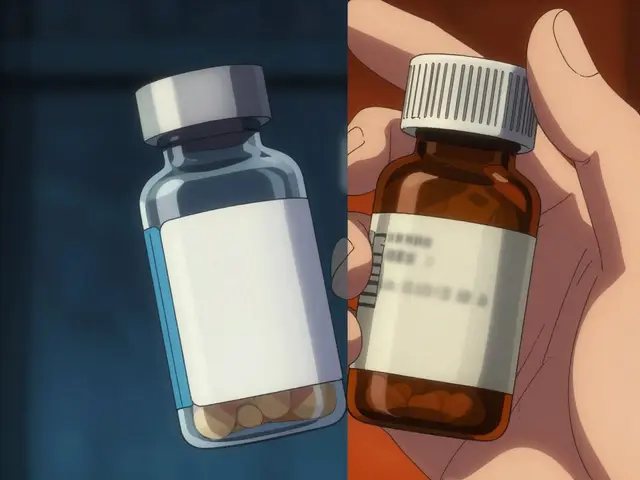
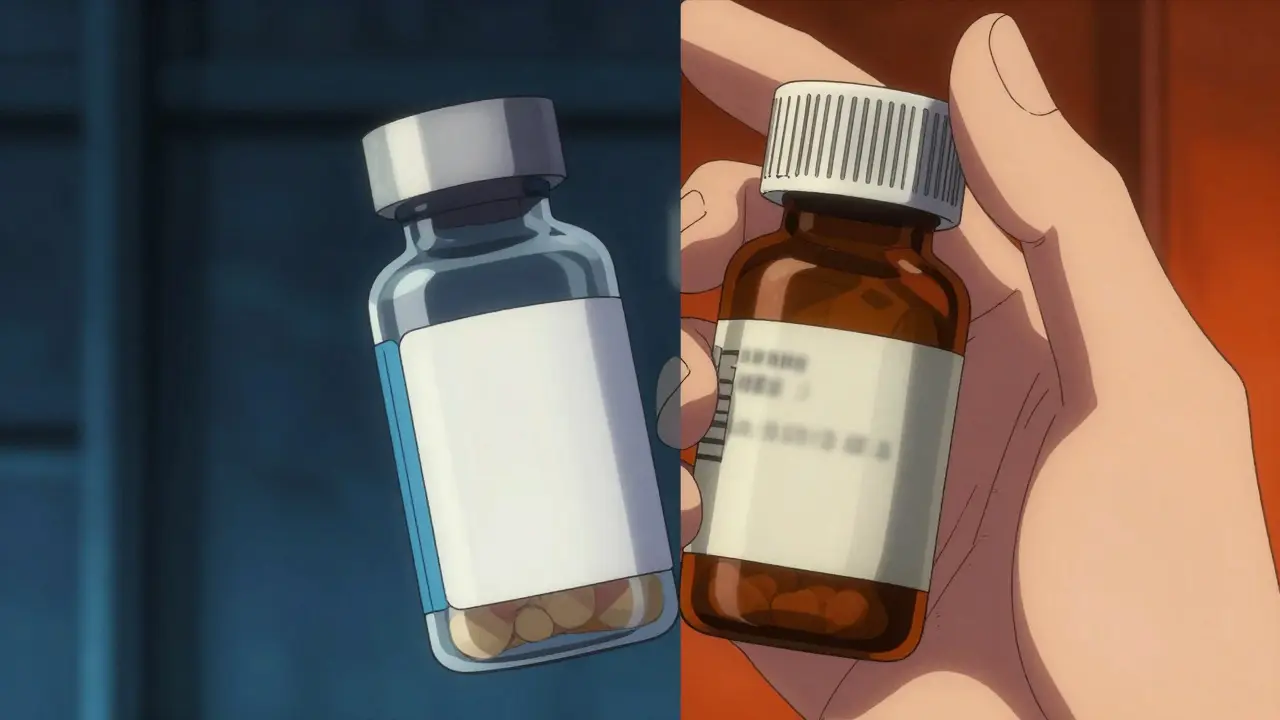
Criminals are getting better at replicating holograms and fancy boxes, but they still make mistakes. If you're unsure about a medication, start by looking at the physical details. A simple check of the packaging can often reveal the truth.
- The "Eye Test" for Packaging: Look for typos. Does the label say "Pharmaceutical" or "Pharmaceutcal"? Are the colors slightly off compared to your last refill? Check the printing; if the ink is smudged or the text is blurry, it's a major red flag.
- Physical Inconsistencies: Look at the pill itself. Is the color uneven? Does it have a strange texture or a weird smell (like vinegar or chemicals)? Some users have reported that counterfeit vials feel lighter than usual, even if the packaging looks perfect.
- Tamper-Evident Seals: If the shrink-wrap is loose, the cap is crooked, or the seal is already broken, do not use the medication. Legitimate manufacturers spend millions on safety seals for a reason.
The Online Pharmacy Trap
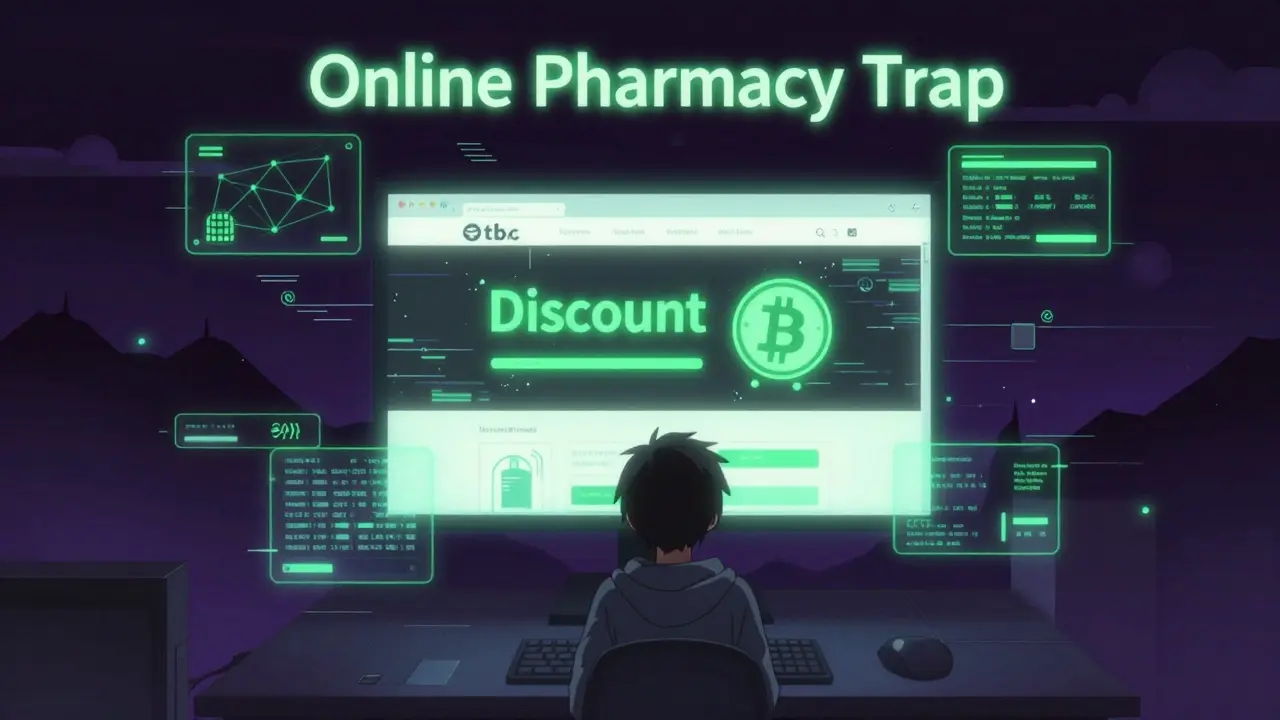
The most common way people encounter counterfeit medications is through the web. Many sites claim to be "Canadian pharmacies" to justify why they don't need a prescription, but the Food and Drug Administration (FDA) found that 85% of these sites actually ship from entirely different countries. If a website sells prescription-only meds without asking for a valid doctor's script, you are likely buying from a criminal enterprise.
To stay safe online, you need a verification process. Look for the VIPPS (Verified Internet Pharmacy Practice Sites) seal. This isn't just a random badge; it's a certification that the pharmacy meets strict safety and quality standards. Also, check the National Association of Boards of Pharmacy (NABP) to see if the pharmacy is licensed. If the site encourages payment via Bitcoin or asks you to buy through a social media marketplace, close the tab immediately.
Advanced Detection: Science vs. Crime
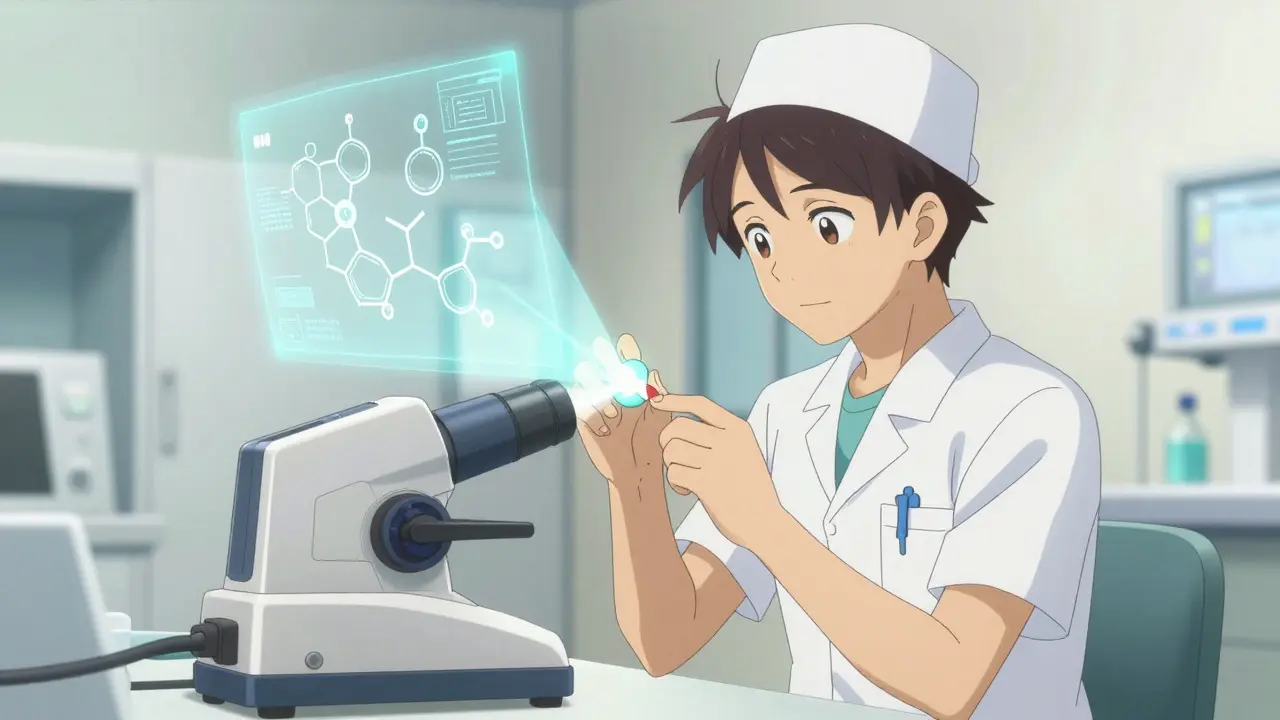
Because fake drugs are becoming harder to spot with the naked eye, the industry is turning to high-tech solutions. We're seeing a rise in Spectroscopy, a method that uses light to analyze the chemical composition of a pill without destroying it. These portable devices allow health workers in the field to tell instantly if a drug contains the right active ingredient.
Governments are also tightening the leash. The Drug Supply Chain Security Act (DSCSA) in the U.S. is moving toward full electronic tracing. This means every single bottle of medicine will have a digital "passport" that can be tracked from the factory floor to the patient's hand, making it much harder for fakes to slip into the legitimate supply chain.
Practical Safety Checklist
Whether you're buying a common antibiotic or a high-cost biologic, use this checklist to protect yourself and your family:
- Stick to Licensed Sources: Only buy from pharmacies you know and trust. Avoid "miracle cure" sites and social media vendors.
- Verify the NDC Number: Check the National Drug Code (NDC) on the packaging against the official FDA database.
- Compare with Previous Packs: If you've used the drug before, put the new pack next to the old one. Look for any change in pill shape, color, or imprint.
- Question Unusually Low Prices: If a medication that usually costs $200 is being sold for $20, it's almost certainly a fake.
- Report Suspicious Finds: Use tools like the MedSafety app to report fakes so others don't fall victim to the same scam.
Can a counterfeit drug have the right active ingredient but still be dangerous?
Yes. A fake drug might contain the correct ingredient but in a dose that is too low to be effective or too high to be safe. Additionally, it may be contaminated with harmful fillers, heavy metals, or toxic substances used during illegal manufacturing.
What should I do if I think I've taken a fake medication?
Stop taking the medication immediately and contact a healthcare provider. Seek emergency care if you experience unusual symptoms. Keep the packaging and the remaining pills, as these are crucial for laboratory analysis to identify the contaminant.
Why do criminals target oncology and biologic drugs?
High-demand, high-cost medications offer the biggest profit margins. Because these drugs are expensive, patients are more likely to seek cheaper alternatives online, creating a perfect opening for counterfeiters to sell fake versions at a "discount."
Are fake drugs only a problem in developing countries?
No. While the prevalence is higher in low- and middle-income countries due to weaker regulations, the rise of the dark web and illegal online pharmacies has brought the threat to every corner of the globe, including the U.S. and Europe.
How can I tell if an online pharmacy is legitimate?
Legitimate pharmacies will always require a valid prescription, will be licensed in the region they operate, and will often display a VIPPS seal or be verified by the NABP. If they offer "no prescription required" deals, they are illegal.
Next Steps for Your Safety
If you are currently managing a chronic condition, take a moment to review where your medications come from. If you've been using a discount online service, cross-reference them with the NABP database today. For those traveling to regions where counterfeit drugs are common, always carry a sufficient supply of your medications from home to avoid the temptation of buying from unverified local sources.