Food Interactions: What You Eat Can Change How Your Medications Work
When you take a pill, it doesn’t just work in a vacuum. What you eat can change how it’s absorbed, how strong it gets, or even turn it into something harmful. This is called a food interaction, a reaction between a medication and something in your diet that alters how the drug behaves in your body. It’s not about being careful with your diet—it’s about survival. For example, eating aged cheese or cured meats while on an MAOI antidepressant can spike your blood pressure to dangerous levels. That’s not a myth. That’s a real risk backed by hospital cases.
Not all food interactions are scary, but they’re all important. Some foods block your meds from working—like grapefruit stopping statins from breaking down properly, leaving too much drug in your system. Others boost effects, like vitamin K in spinach weakening blood thinners. Even something as simple as taking antibiotics with dairy can reduce their absorption. These aren’t rare edge cases. They’re common, preventable mistakes that happen every day because no one ever told you.
It’s not just about what you eat—it’s about when and how you take your pills. Some drugs need an empty stomach. Others work better with food. And some, like MAOIs, force you to rethink your entire grocery list. The tyramine foods, a group of aged, fermented, or spoiled foods that trigger dangerous reactions with certain antidepressants include blue cheese, soy sauce, tap beer, and even overripe bananas. Meanwhile, medication interactions, the broader category that includes food, supplements, and other drugs affecting each other can turn a safe treatment into a crisis if you’re not paying attention.
You don’t need to memorize a 50-page list. You need to know the big ones. If you’re on blood pressure meds, antidepressants, blood thinners, or antibiotics, ask your pharmacist: "What should I avoid eating or drinking?" Don’t assume it’s obvious. Most doctors don’t bring it up unless you ask. And if you’re taking more than one medication, the risk multiplies. A simple vitamin C supplement can interfere with chemotherapy. A daily green smoothie can mess with your warfarin. These aren’t theoretical risks—they’re why people end up in the ER.
The good news? Most food interactions are easy to avoid once you know what to look for. You don’t need to cut out your favorite foods forever. You just need to time them right, swap them out, or adjust your dose. That’s what the posts here are for. You’ll find real examples—like why you can’t have pickled herring with your antidepressant, or why your morning orange juice might be making your cholesterol drug useless. You’ll see what works, what doesn’t, and how to talk to your doctor without sounding paranoid. This isn’t about fear. It’s about control. Your meds are powerful. Your food matters. Put them together right, and you stay healthy. Get it wrong, and you pay the price.
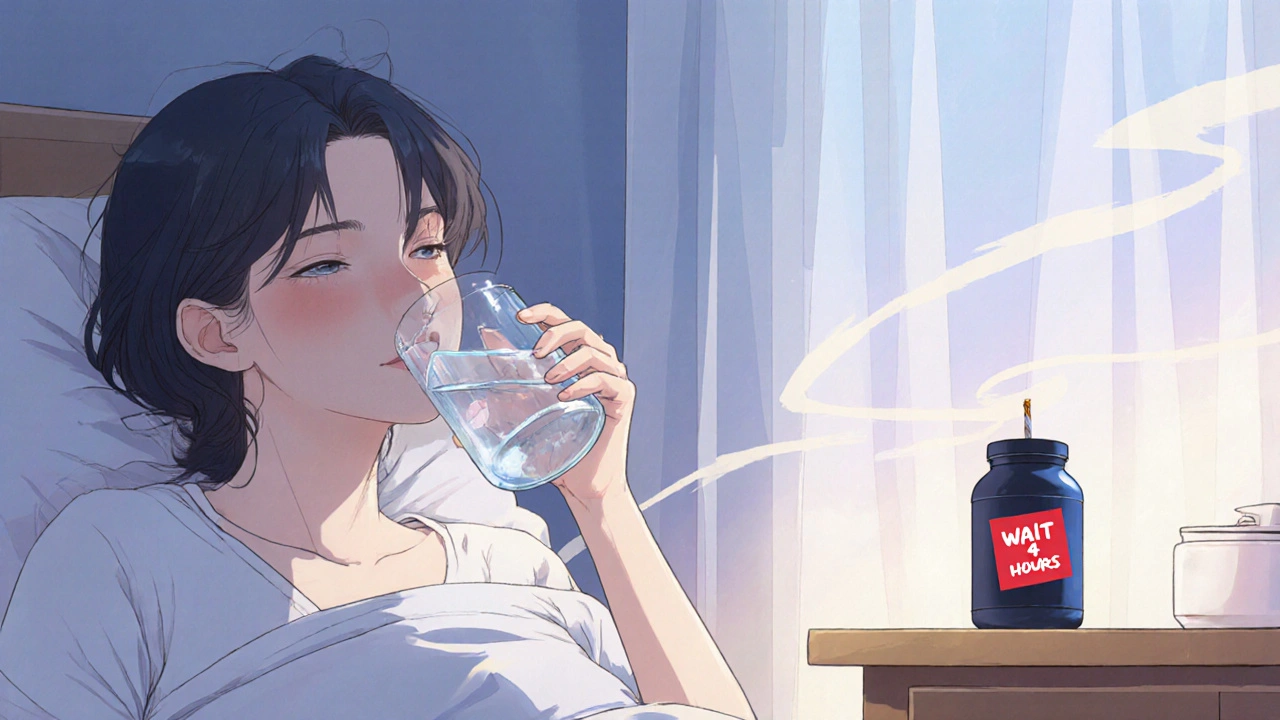
Protein Shakes and Levothyroxine: How to Time Your Morning Dose Right
Learn how to time your protein shakes with levothyroxine to avoid reduced absorption. Discover the 4-hour rule, evening dosing alternatives, and which proteins are safer.