Antidepressant Food Interactions: What to Eat and Avoid for Safe Treatment
When you take an antidepressant, a medication used to treat depression by balancing brain chemicals like serotonin and norepinephrine. Also known as antidepressive drugs, these medications can work well—but only if you avoid certain foods that trigger dangerous reactions. Not all antidepressants have food rules, but the ones that do can cause life-threatening issues if ignored. The most serious of these are MAOIs, a class of older antidepressants that block enzymes that break down neurotransmitters. Also known as monoamine oxidase inhibitors, they require strict dietary control because they prevent your body from processing tyramine—a compound found in aged and fermented foods. When tyramine builds up, it causes a sudden spike in blood pressure, leading to headaches, chest pain, stroke, or even heart attack.
That’s why people on MAOIs are told to avoid aged cheeses, cured meats, tap beer, soy sauce, and fermented foods like kimchi or sauerkraut. But it’s not just MAOIs. Even newer antidepressants like SSRIs can cause problems when mixed with certain supplements or foods. For example, mixing St. John’s Wort with an SSRI can trigger serotonin syndrome, a potentially fatal condition caused by too much serotonin in the brain. Also known as serotonin toxicity, it leads to confusion, rapid heartbeat, high fever, and muscle rigidity. You don’t need to panic, but you do need to know what’s in your fridge and what’s in your pill bottle. Many patients don’t realize that even a single serving of blue cheese or a glass of red wine can be risky. And it’s not just about food—some over-the-counter cold medicines, herbal teas, and even energy drinks can interact with antidepressants in ways your doctor might not mention unless you ask.
It’s not about giving up everything you love. It’s about knowing what’s safe and what’s not. Some antidepressants, like Lexapro or Zoloft, have almost no food restrictions. Others, like Nardil or Parnate, demand full attention to your diet. The key is matching your medication to your lifestyle—not the other way around. If you’re on an antidepressant and you’ve ever felt dizzy after eating, had a sudden headache after cheese, or felt unusually jittery after a protein shake, you might be dealing with an interaction. Your doctor can help you switch to a safer option if needed.
Below, you’ll find real-world advice from people who’ve been there—how to spot hidden risks, what to ask your pharmacist, and how to talk to your doctor without sounding paranoid. These aren’t theory pages. They’re practical guides written by people who’ve had to learn the hard way. You don’t have to guess. You just need to know what to look for.
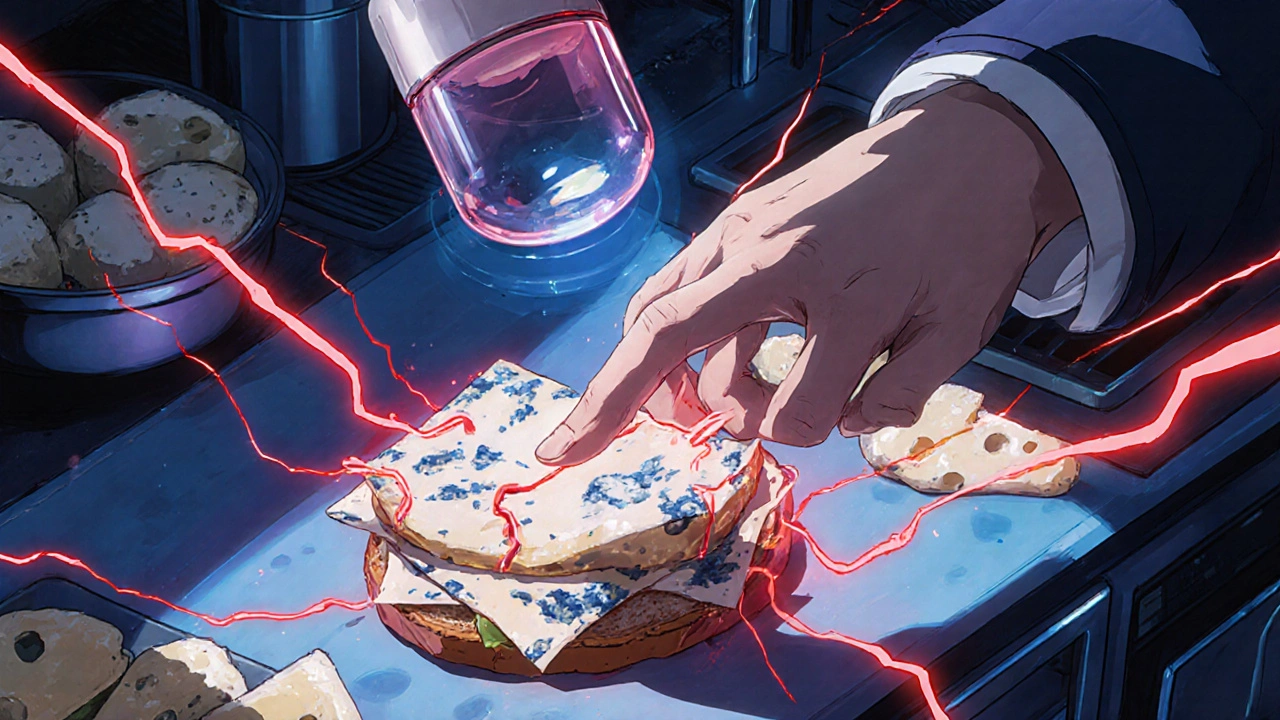
Tyramine and MAOIs: Foods to Avoid with These Antidepressants
Learn which foods to avoid when taking MAOI antidepressants to prevent dangerous blood pressure spikes. Get clear, practical advice on tyramine-rich foods, safe alternatives, and how newer patches reduce dietary restrictions.